Everest Base Camp Trekking: The Ultimate Adventure to the Roof of the World
 2026-06-22 Bodha Raj Bhandari
Everest Base Camp Trekking is one of the most iconic and rewarding adventures in the world. Nestled in the heart of the Himalayas, this legendary trek attracts thousands of adventure seekers, nature lovers, and mountaineering enthusiasts every year. The journey to Everest Base Camp offers breathtaking mountain views, unique cultural experiences, and an unforgettable opportunity to walk in the footsteps of legendary climbers who dared to conquer the world's highest peak.
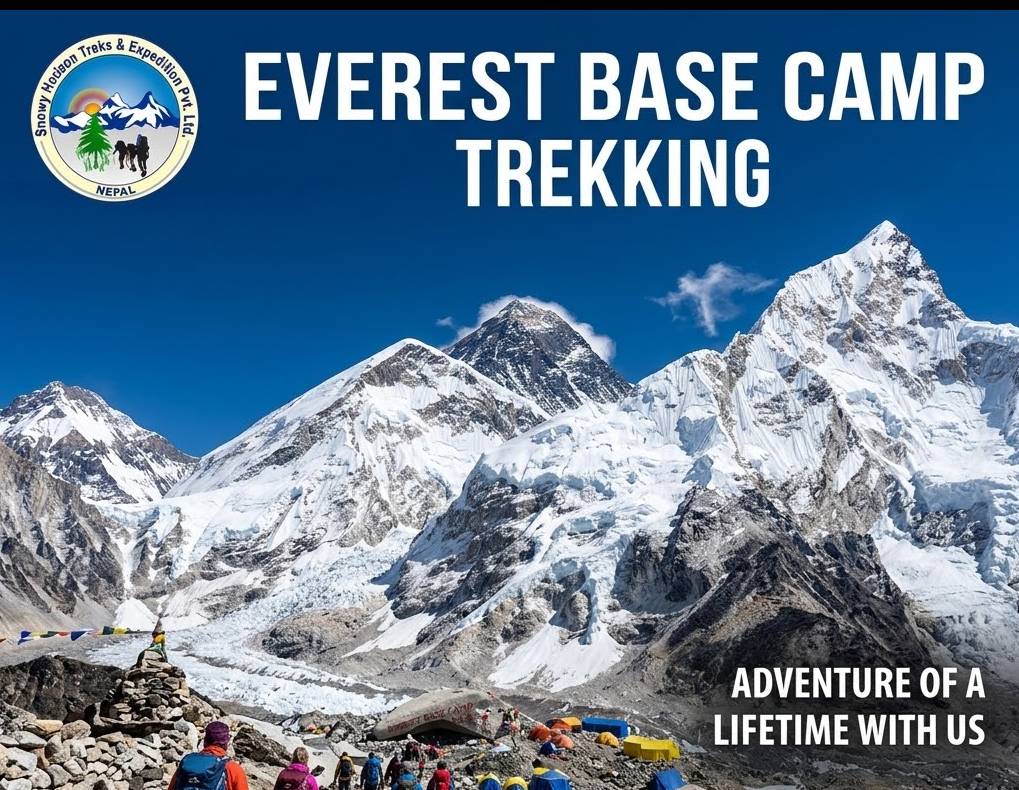
Located at an altitude of approximately 5,364 meters (17,598 feet), Everest Base Camp serves as the starting point for climbers attempting to summit Mount Everest. While reaching the summit requires technical climbing skills and extensive preparation, trekking to the base camp is achievable for anyone with reasonable fitness and determination.
Why Choose Everest Base Camp Trekking?
Everest Base Camp Trekking is more than just a hike; it is a life-changing experience. The trek combines stunning landscapes, rich Sherpa culture, and a sense of achievement that few adventures can match.
Some of the main reasons travelers choose this trek include:
- Spectacular views of Mount Everest and surrounding peaks
- Unique Himalayan culture and traditions
- Challenging yet achievable trekking routes
- Incredible photography opportunities
- Personal growth and accomplishment
Every step along the trail presents new scenery, from lush forests and suspension bridges to rugged mountain terrain and towering snow-capped peaks.

The Journey Begins: Lukla to Everest Base Camp
Most Everest Base Camp treks begin with a thrilling flight to Lukla, a small mountain town known for its dramatic airport. From Lukla, trekkers follow a well-established trail through picturesque villages and stunning valleys.
The journey typically includes stops at:
Lukla
Lukla serves as the gateway to the Everest region. The bustling town offers trekking supplies, lodges, and a vibrant atmosphere filled with adventurers from around the world.
Phakding
A charming village situated along the Dudh Koshi River, Phakding provides a gentle introduction to the trek.
Namche Bazaar
Known as the heart of the Khumbu region, Namche Bazaar is a bustling Sherpa town and an important acclimatization stop. Trekkers often spend two nights here to adapt to the increasing altitude.
Tengboche
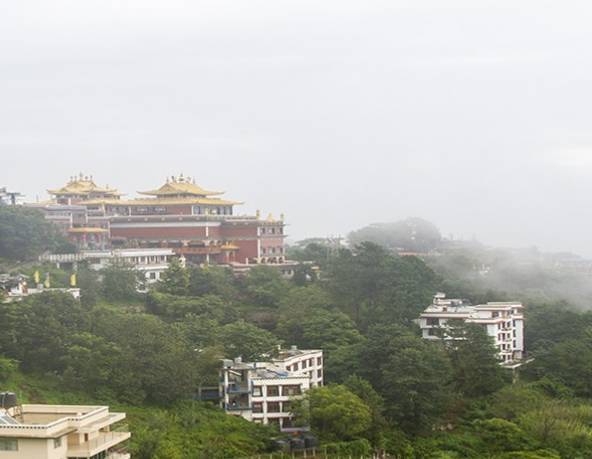
Home to the famous Tengboche Monastery, this village offers stunning views of Everest, Ama Dablam, and other Himalayan giants.
Dingboche and Lobuche
These villages serve as crucial acclimatization points before trekkers continue toward the higher elevations of the Everest region.
Gorak Shep and Everest Base Camp
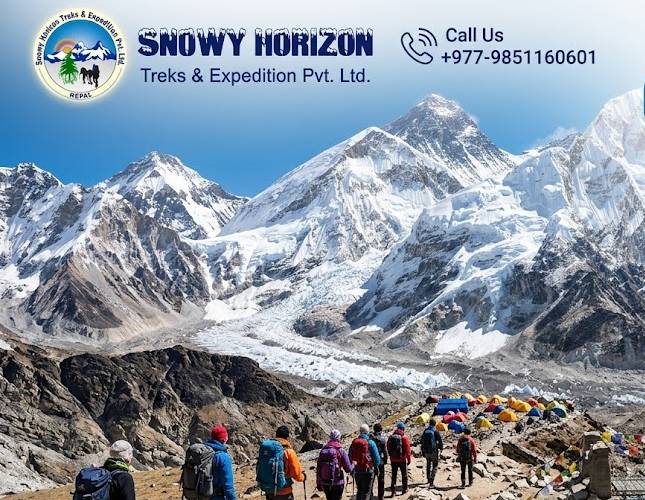
The final stretch leads to Gorak Shep and ultimately Everest Base Camp itself, where trekkers can witness the awe-inspiring surroundings that climbers call home during summit expeditions.
Best Time for Everest Base Camp Trekking
Choosing the right season is essential for a successful trek.
Spring Season (March to May)
Spring is one of the most popular times for Everest Base Camp Trekking. The weather is generally stable, and blooming rhododendrons add vibrant colors to the landscape.
Benefits include:
- Moderate temperatures
- Clear mountain views
- Active climbing season at Everest Base Camp
Autumn Season (September to November)
Autumn offers excellent trekking conditions with crisp air and clear skies.
Advantages include:
- Exceptional visibility
- Comfortable temperatures
- Dry trails and stable weather
Winter and Monsoon
Although trekking is possible during winter and monsoon seasons, these periods present additional challenges such as extreme cold, snowfall, and heavy rainfall.
Physical Fitness Requirements
Everest Base Camp Trekking does not require technical climbing skills, but it demands good physical fitness. Trekkers typically walk between 5 and 8 hours per day over varied terrain.
Preparation should include:
- Cardiovascular training
- Strength exercises
- Hiking practice
- Endurance building activities
The better your physical condition, the more enjoyable the trek will be.
Acclimatization and Altitude Sickness
One of the most important aspects of Everest Base Camp Trekking is acclimatization. As elevation increases, oxygen levels decrease significantly.
Common symptoms of altitude sickness include:
- Headaches
- Nausea
- Dizziness
- Fatigue
- Shortness of breath
To reduce risks:
- Ascend gradually
- Stay hydrated
- Follow acclimatization schedules
- Listen to your body
- Avoid overexertion
Proper acclimatization greatly improves safety and comfort throughout the trek.
The Unique Sherpa Culture
The Everest region is home to the Sherpa people, renowned worldwide for their mountaineering expertise and hospitality.
During the trek, visitors can experience:
- Traditional Sherpa villages
- Buddhist monasteries
- Prayer flags and stupas
- Local festivals and customs
- Authentic Himalayan cuisine
Interacting with local communities adds a rich cultural dimension to the adventure.
Stunning Highlights Along the Trail
The Everest Base Camp trek offers countless memorable moments.
Namche Bazaar Viewpoint
One of the first locations where trekkers can catch a glimpse of Mount Everest.
Tengboche Monastery
This spiritual center provides both cultural insight and magnificent mountain scenery.
Khumbu Glacier
The massive glacier near Everest Base Camp is one of the most impressive natural features in the region.
Kala Patthar
Many trekkers consider Kala Patthar the highlight of the journey. Standing at approximately 5,545 meters, it offers some of the best panoramic views of Everest.
Essential Packing List
Packing wisely is crucial for comfort and safety.
Important items include:
- Waterproof trekking boots
- Thermal clothing
- Insulated jacket
- Sleeping bag
- Trekking poles
- Sunglasses
- Sunscreen
- Water purification tablets
- First aid kit
- Headlamp
Layering clothing is particularly important due to rapidly changing mountain weather conditions.
Accommodation and Food
Teahouses are the primary accommodation option during Everest Base Camp Trekking. These mountain lodges provide basic but comfortable facilities.
Popular food choices include:
- Dal Bhat
- Noodles
- Rice dishes
- Soups
- Pancakes
- Tea and coffee
As elevation increases, food prices tend to rise due to transportation challenges.
Challenges of Everest Base Camp Trekking
Despite its popularity, the trek is not without difficulties.
Common challenges include:
- High altitude
- Cold temperatures
- Long walking days
- Basic facilities
- Unpredictable weather
However, overcoming these obstacles contributes to the incredible sense of accomplishment experienced by trekkers.
Photography Opportunities
Few destinations on Earth offer photography opportunities comparable to the Everest region.
Photographers can capture:
- Towering Himalayan peaks
- Traditional Sherpa villages
- Colorful prayer flags
- Glacial landscapes
- Stunning sunrises and sunsets
Carrying extra batteries is recommended since cold temperatures can quickly drain electronic devices.
Environmental Responsibility
The growing popularity of Everest Base Camp Trekking highlights the importance of sustainable tourism.
Responsible trekking practices include:
- Carrying reusable water bottles
- Minimizing waste
- Respecting local culture
- Staying on designated trails
- Supporting local businesses
Sustainable travel helps preserve the region for future generations.
Cost of Everest Base Camp Trekking
The total cost varies depending on travel style and services chosen.
Factors affecting cost include:
- Flights
- Trekking permits
- Guide and porter services
- Accommodation
- Meals
- Equipment rentals
While the trek can represent a significant investment, many travelers consider it one of the most rewarding experiences of their lives.
Conclusion
Everest Base Camp Trekking is a dream adventure that combines natural beauty, physical challenge, and cultural discovery. From the thrilling flight into Lukla to the triumphant arrival at Everest Base Camp, every stage of the journey offers unforgettable experiences. Trekkers are rewarded with breathtaking Himalayan scenery, meaningful encounters with Sherpa culture, and a profound sense of achievement. Whether you are an experienced hiker or an ambitious traveler seeking a once-in-a-lifetime adventure, Everest Base Camp Trekking remains one of the world's most extraordinary journeys and a true testament to the spirit of exploration.


Snowy Horizon Treks and Expedition Pvt. Ltd.
Boratar, Banastali, Kathmandu, Nepal Phone: +977-1-5102367 Mobile: (WhatsApp/ Viber) : +977-9851160601 Email: info@snowyhorizon.com Email: snowy.bodha@gmail.com URL: www.snowyhorizon.com www.trekkingagencynepal.comWe are Associated

We accept